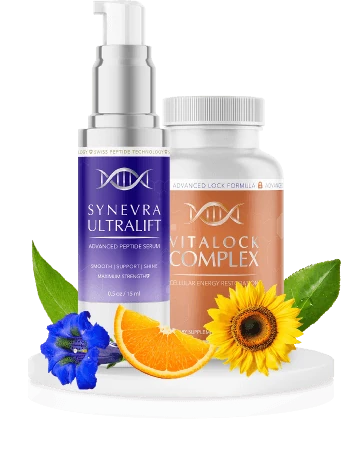
What peptides are in skincare
Peptides are short chains of amino acids. In cosmetics, different peptides are used for different purposes, and the label “peptide” does not describe a single mechanism. Some are marketed around signaling pathways, some around visible expression lines, and others are used for conditioning or formula support.
Why the formula matters more than the buzzword
A peptide must be present at an appropriate concentration, remain stable, reach the relevant part of the skin, and coexist with the rest of the formula. Research on one peptide or one finished serum cannot automatically validate another.
Peptides in Synevra
The merchant highlights SYN-AKE®, whose ingredient name is Dipeptide Diaminobutyroyl Benzylamide Diacetate. A 2026 clinical study of a different multi-active serum included this peptide and reported improvement in several visible skin-aging measures. That is encouraging for continued research on this ingredient class, but it is not a Synevra trial.
How to introduce a peptide serum
- Patch-test if you have reactive skin.
- Apply after cleansing and before a heavier moisturizer.
- Introduce one new active product at a time.
- Use sunscreen during the day.
- Judge the routine over weeks, not a single application, unless the product is specifically a temporary film-former.
Peptides versus retinoids
Retinoids have a larger evidence base for photoaging but can be irritating and may not be suitable for everyone. Peptide cosmetics may be easier to tolerate, but evidence varies substantially by ingredient and finished formula. These categories can coexist in some routines, but piling on actives is not automatically better.