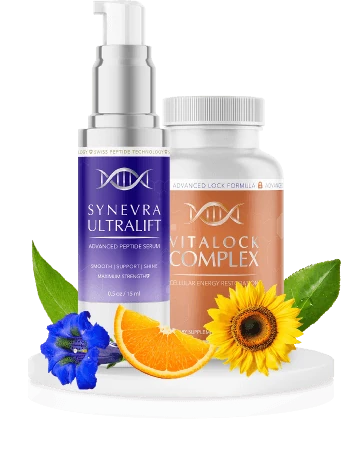
Why hyaluronic acid is used in mature-skin products
Hyaluronic acid is valued for water binding. In topical cosmetics, sodium hyaluronate and other hyaluronic-acid forms are commonly used to improve hydration and the temporary plumped appearance of the skin surface.
What the evidence supports
Published reviews describe topical hyaluronic-acid products as generally well tolerated and useful for skin hydration, with some studies reporting improvements in elasticity or wrinkle appearance depending on the formula and molecular weight. Those findings support the ingredient category, not every product that lists “hyaluronic acid.”
Sodium hyaluronate in Synevra
The Synevra merchant presentation lists sodium hyaluronate as a key serum ingredient and says it helps skin appear plump and hydrated. That claim is consistent with the typical cosmetic role of the ingredient. The page does not publicly state the concentration or molecular weight, so we cannot match the product to a specific published study.
How to use a humectant serum well
- Apply to clean skin and follow with moisturizer if you need more barrier support.
- Do not expect hydration alone to physically lift deeper facial structures.
- Use sunscreen daily; UV exposure accelerates visible skin aging.
- If a formula pills under makeup, reduce the amount and allow each layer to set.
Hyaluronic acid versus collagen supplements
These are different categories. Topical hyaluronic acid primarily works as a moisture-management ingredient. Oral supplements involve digestion, absorption, dose, and systemic factors. Do not assume that “inside + outside” automatically produces a synergistic result without direct evidence.